Course: Linux Systems and DevOps Engineering

Introduction
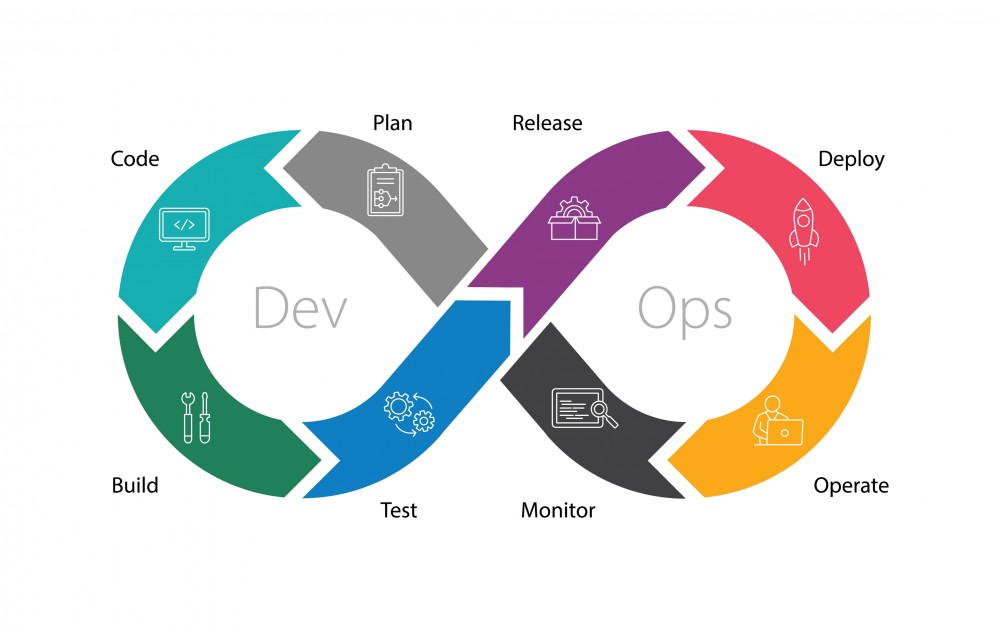
DevOps is a cultural and professional movement that combines software development (Dev) and IT operations (Ops) to shorten the development lifecycle and provide continuous delivery of high-quality software. It emphasizes collaboration, communication, and automation between development and operations teams. The core principles include continuous integration, continuous delivery, and continuous deployment, supported by a toolchain for version control, testing, and infrastructure management. By breaking down traditional silos, DevOps enables organizations to respond faster to market changes, improve efficiency, and build more reliable products.
Course Objective
This course aims to transform experienced Linux and C programmers into professional DevOps and Systems Engineers. By the end of this program, trainees will be proficient in automating the software development lifecycle using Git, Docker, and Kubernetes. They will master building CI/CD pipelines with GitHub Actions/GitLab CI and deploying applications on major cloud platforms like AWS/GCP using Terraform. The objective is to equip trainees with the practical skills and project-based experience needed to secure a job and excel in a modern DevOps engineering role.
Pre Requisite
→The aspirant should have good IQ, aptitude and have stamina to work for long hours.
Agenda
The Duration of Training would be:
→The duration of training would be 6 months (approx)→There would be 150 Live Online Classroom Sessions of 1 Hours each.→Every Session would be Followed by An Assignment.
Salient Features of The Training Program:
1. Project-Based Learning: The course is heavily centered on two major, hands-on projects that simulate real-world DevOps workflows, providing practical experience.
2. Advanced Skill-Building: It builds directly on the trainees' existing knowledge of Linux, C, and system programming, quickly advancing them to modern DevOps tools and practices.
3. Comprehensive Toolchain Coverage: The curriculum covers the entire DevOps lifecycle, from version control with Git to containerization with Docker, orchestration with Kubernetes, and automation with CI/CD tools.
4. Cloud-Native Focus: Trainees will gain proficiency in deploying and managing applications on a major public cloud platform (AWS/GCP), a crucial skill for today's job market.
5. Infrastructure as Code (IaC): A dedicated section on Terraform ensures trainees understand how to manage and provision cloud infrastructure programmatically, a core tenet of modern DevOps.
6. CI/CD Pipeline Mastery: The course provides in-depth training on building automated pipelines using industry-standard tools like GitHub Actions and GitLab CI.
7. Real-World Application Deployment: Trainees will learn to deploy multi-service applications on a Kubernetes cluster, including setting up networking and handling scaling.
8. Monitoring and Observability: The curriculum includes critical topics like monitoring applications and infrastructure using Prometheus and Grafana, ensuring trainees can maintain and troubleshoot live systems.
9. Job-Oriented Curriculum: Every module and topic is selected for its direct relevance to the skills and technologies sought by employers for DevOps roles.
10. Expert-Led Live Training: The live online format allows for direct interaction with instructors, enabling real-time Q&A and personalized feedback.
Course Structure: Linux Systems and DevOps Engineering ...
After The Training is over, The trainee should be able to ...
Future Prospects ...
Sessions and Assignments Plan...
EmbLogic™ is an ISO 9001:2008(QMS) (Quality Management System) Certified Company.